Transforming
Healthcare
Delivery in Uganda
St. John’s Medical Relief Foundation offers proactive prevention through maternal care and high-quality hospital infrastructure.
To establish a self-sustaining healthcare ecosystem Uganda where the quality of medical care, and zero preventable maternal deaths never occur due to delayed clinical intervention.
To build a resilient healthcare ecosystem in Western Uganda and beyond by combining dedicated physical medical facilities with accessible, digital-first public health solutions.
About the Foundation
St. John's Medical Relief Foundation
The Care Pathway
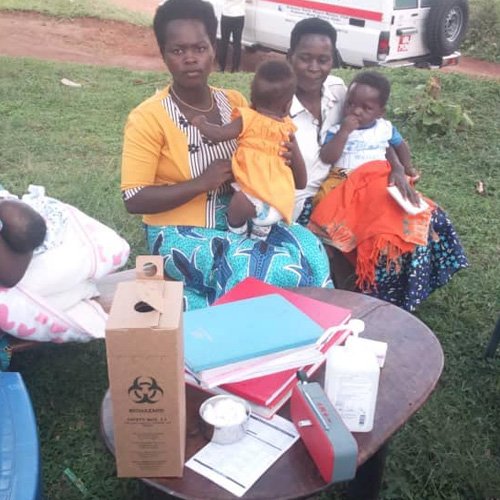
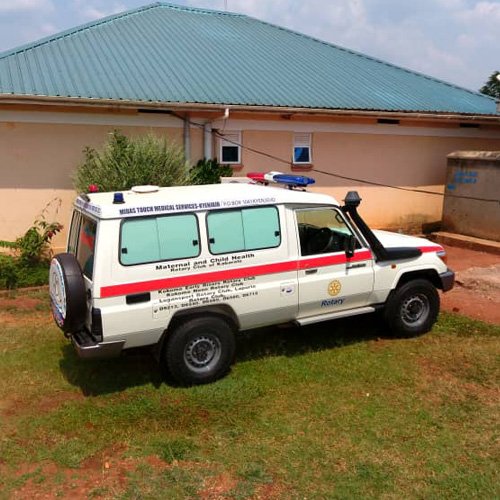
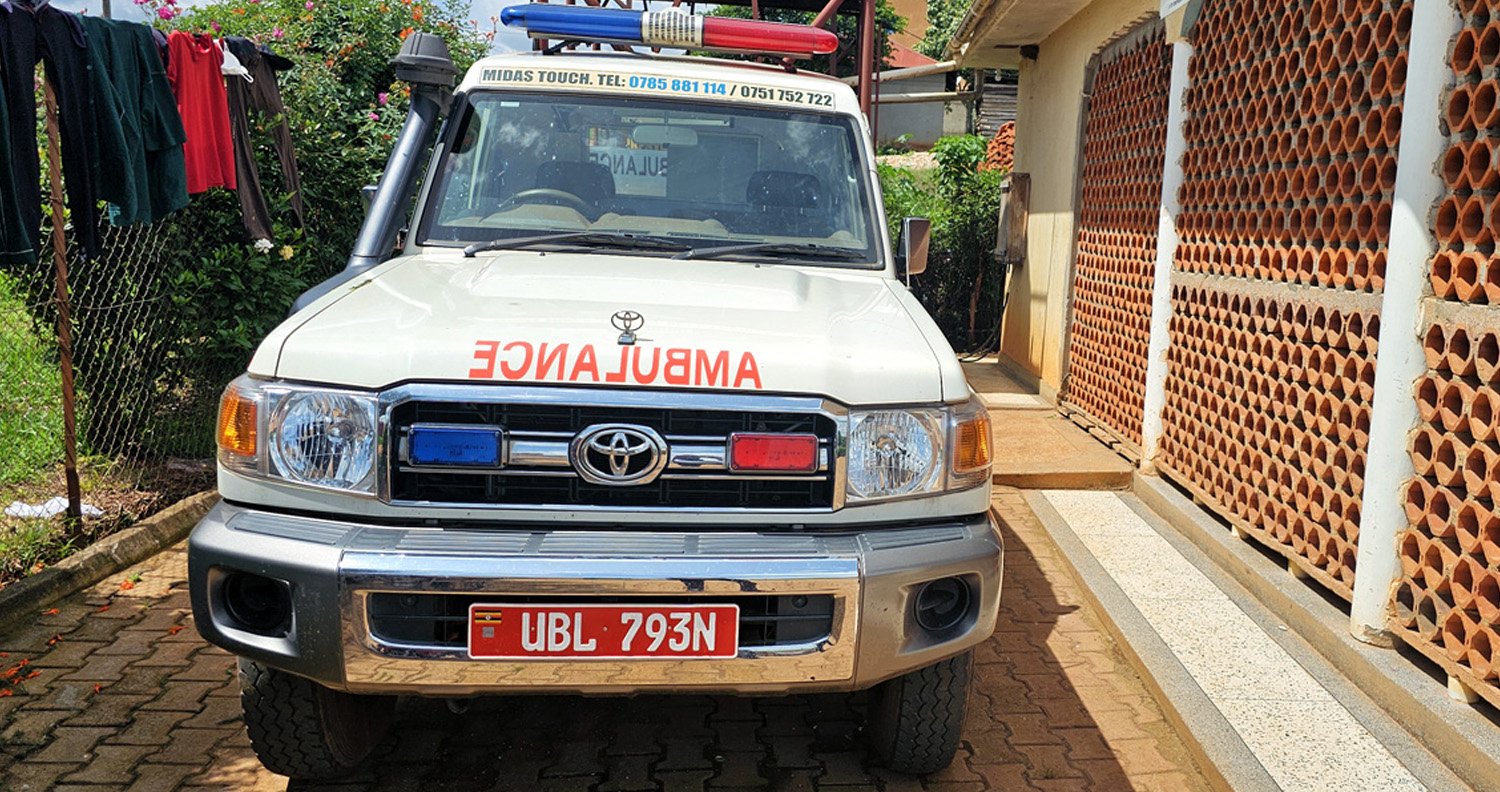
Maternal deaths and health crises are often caused by three critical gaps: delays in deciding to seek care, delays in reaching an appropriate facility, and delays in receiving timely intervention. The foundation actively addresses all three stages by equipping frontline community health workers and running a fully capable regional referral hub.
20
+
Years of Experiences
Foundation Projects
Connecting the Continuum of Care
To turn our vision into reality, the foundation operates a dual-engine model that seamlessly connects community-level surveillance with high-capacity clinical infrastructure. This unified approach ensures that high-risk complications are identified early in the field and treated immediately at a fully equipped facility, building an uninterrupted care pathway that saves lives.
St. John's Hospital Kyenjojo
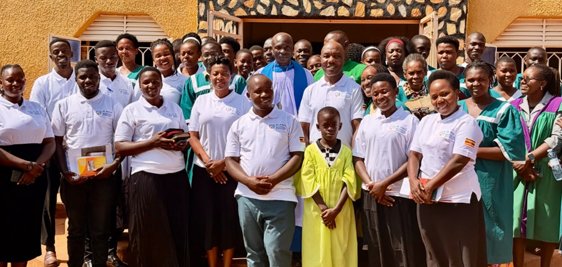
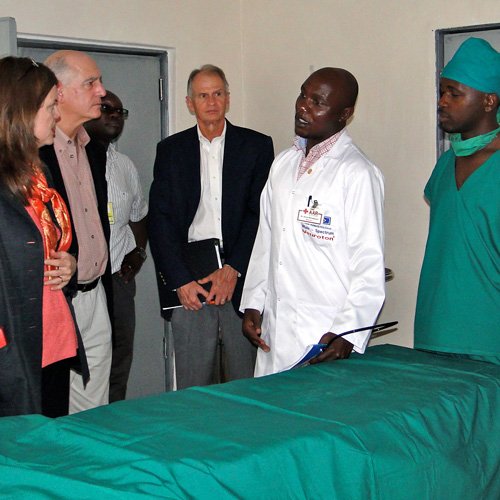
St. Johns Hospital Kyenjojo provides critical, round-the-clock clinical services to the Kyenjojo community. The hospital handles complex emergencies, routine care pathways, and advanced diagnostics, ensuring that patients receive timely interventions without having to travel long distances.
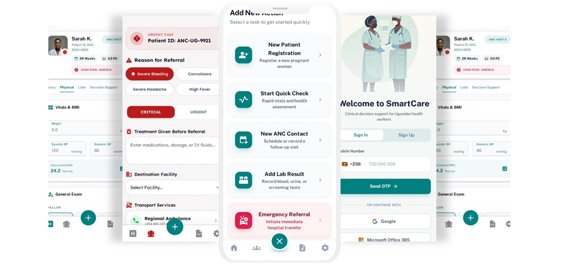
ANC SmartCare App
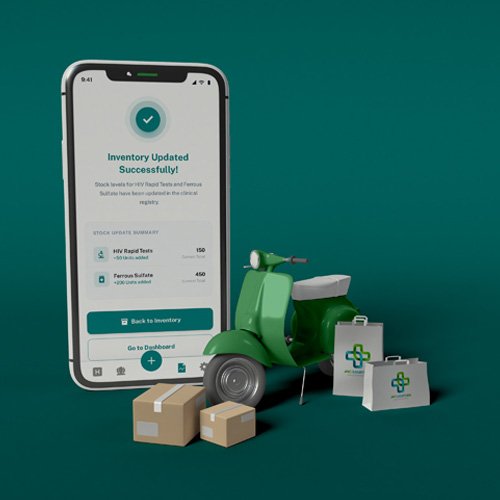
In rural health systems, risk identification during pregnancy is often inconsistent, workflows are heavily manual, and referral decisions face critical delays. The ANC SmartCare mobile application transforms evidence-based maternal health guidelines into real-time clinical decision support directly in the hands of midwives and community health extension workers (CHEWs).